Primer is the step most often skipped — and the most common reason paint peels or looks patchy. Here is when you need to prime before painting, and when you do not.
Primer is the coat you do not see, but it decides how well everything on top of it performs. Whether you need to prime before painting depends on what the surface is, what is on it now, and what you are putting over it.
Primer, sealer and undercoat: what is the difference?
- Primer: helps paint grip bare or hard-to-paint surfaces such as timber, metal and glossy finishes
- Sealer: seals porous surfaces such as new plaster and render so the topcoats dry evenly
- Undercoat: builds a smooth, uniform base under enamels and helps hide big colour changes
- Many products do more than one of these jobs — the label tells you what the surface needs
When you need to prime before painting
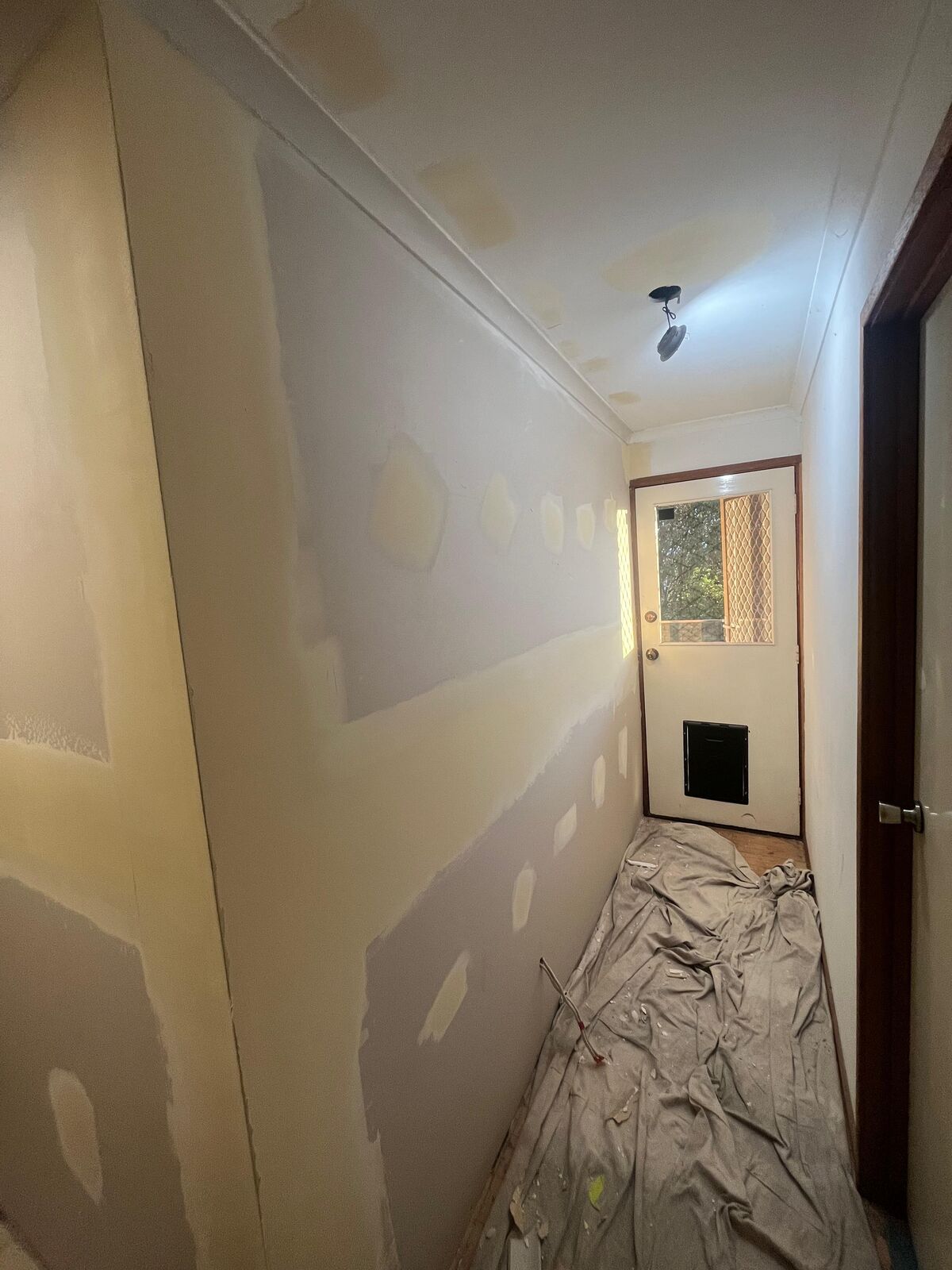
- New plasterboard (Gyprock), new render and freshly patched areas
- Bare timber, including sanded spots on doors, trims and weatherboards
- Glossy or enamel surfaces, after sanding, before a water-based topcoat
- Water stains, smoke damage, crayon and marker, which need a stain-blocking primer
- Bare metal, galvanised steel and aluminium, which need a primer made for metal
- Big colour changes, where a tinted undercoat saves extra topcoats
- Chalky exterior surfaces, after cleaning, with a primer or sealer made for the job
When you can usually skip primer
If the existing paint is sound, clean, not glossy, and you are repainting with the same type of paint in a similar colour, you can usually go straight to two topcoats. "Paint and primer in one" products can also work well over previously painted surfaces in good condition — but they do not replace a specialist primer on bare, stained or problem surfaces.
Painting over oil-based paint
Older doors and trims are often finished in oil-based enamel, and water-based paint does not stick well to it on its own. A common test is to rub a small area with a cloth dampened with methylated spirits: if paint comes off on the cloth, it is water-based; if not, it is likely oil-based. Oil-based surfaces should be cleaned, sanded to dull the gloss and primed with an adhesion primer before water-based paint goes on.
Clean before you prime
Primer will not stick to grease, dust or grime. Wash walls with sugar soap or a suitable cleaner, rinse with clean water and let them dry fully. Kitchens, hallways and around light switches need the most attention. After sanding, wipe off the dust before priming.
Do you need primer for exterior walls?
For sound, previously painted exterior walls, two topcoats are usually enough after cleaning. New render, bare timber, repaired areas, chalky surfaces and bare metal all need the right primer or sealer first. Skipping this step is a common cause of exterior paint failure.
At Prolux Painters Canberra, surfaces are cleaned, repaired and primed before any paint goes on, and your quote shows the preparation included. Contact us for a free quote.
Frequently Asked Questions
Do I need to prime before painting over old paint?
Not usually, if the old paint is sound, clean and not glossy, and you are using the same type of paint. Glossy, oil-based, stained or damaged surfaces need priming first.
Can you paint straight over Gyprock?
Usually not. New Gyprock and plaster joins need a sealer or undercoat first, or the paint can dry unevenly and the joins can show through. The exception is paint labelled self-priming on plasterboard, which then usually needs two coats.
Do you need sugar soap before painting?
Cleaning is important, and sugar soap is a common choice for washing walls before painting. Rinse with clean water and let the walls dry fully before priming or painting.
Can you use paint and primer in one instead of primer?
Over previously painted surfaces in good condition, often yes. On bare timber, new plaster, metal, glossy surfaces or stains, use a primer made for that surface.
What happens if you do not prime before painting?
Depending on the surface, paint can peel, look patchy, show stains bleeding through, or need extra coats to cover evenly.

Local painters with 12+ years of experience painting homes and businesses across Canberra and the surrounding region.
About usReady to transform your space?
Get a free, no-obligation quote from Canberra's trusted painters.