
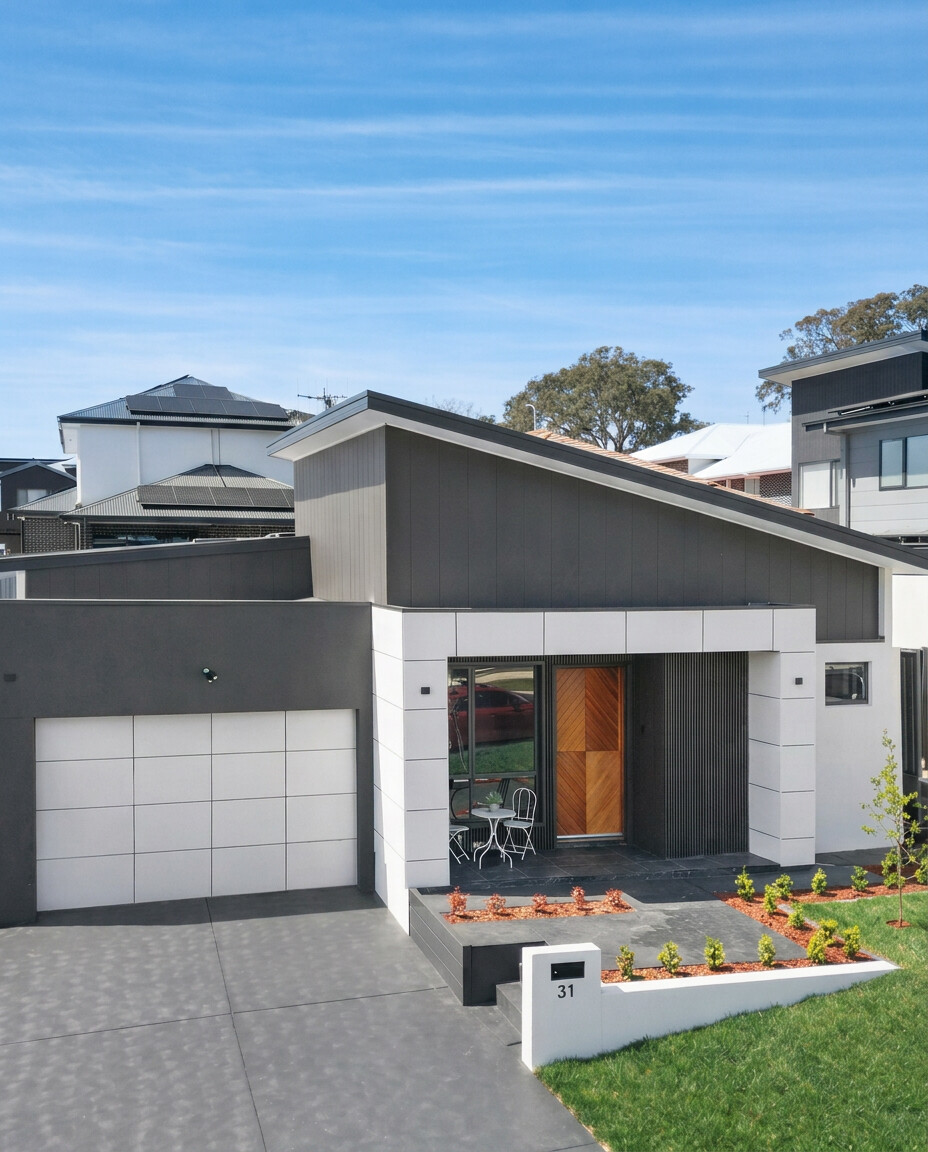
They may look the same in the tin, but interior and exterior paints are engineered very differently. Here is why it matters.
It is a common question: can you use leftover interior paint outside, or exterior paint indoors? The short answer is no — and understanding why will save you money and disappointment.
Exterior paint is built to survive the elements
Exterior paints contain additives that resist UV fading, moisture, mould and temperature swings. They are more flexible, so they can expand and contract with the surface as it heats and cools without cracking. In Canberra's climate — hot summers and frosty winters — that flexibility is essential.
Interior paint is built for looks and air quality
Interior paints prioritise a smooth finish, easy cleaning and low odour. Many are low-VOC, meaning fewer fumes and better indoor air quality. They are not designed to handle direct sun, rain or the mould pressure of an outdoor surface.
Why you should not mix them up
- Interior paint used outdoors will fade, peel and fail quickly
- Exterior paint used indoors can release more VOCs and take longer to cure
- Using the correct product protects your surfaces and your warranty
At Prolux Painters we match the right paint system to each surface and location, using premium Australian-standard products designed for the job. It is a small detail that makes a big difference to how long your finish lasts.
Ready to transform your space?
Get a free, no-obligation quote from Canberra's trusted painters.